Furnace maintenance · Bellevue, WA
Furnace Tune-Ups & Maintenance in Bellevue, WA
A yearly tune-up is the cheapest thing you'll ever do for your furnace, and it pays for itself in lower bills, fewer breakdowns and a longer system life. Best booked in early fall, before the first cold snap.
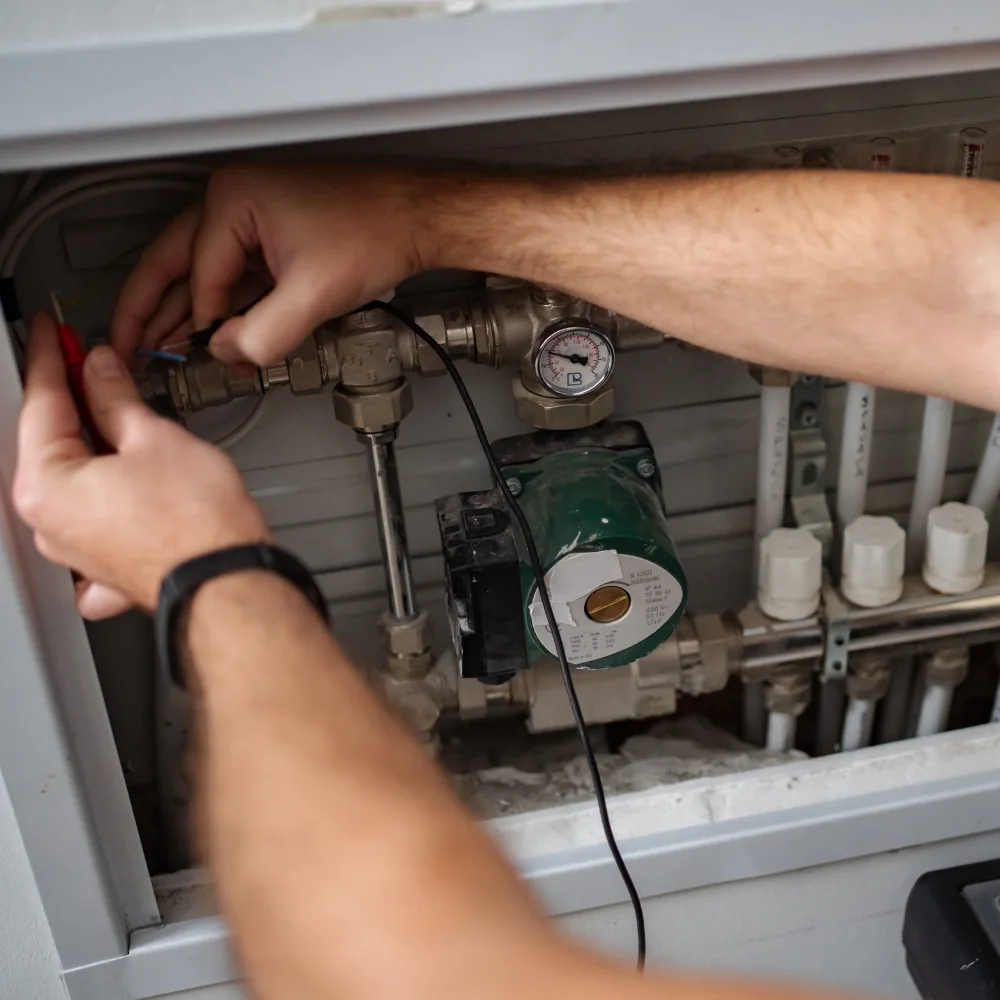
Worth every penny
What a tune-up actually does for you
Lower bills
A clean burner and proper airflow mean less gas burned for the same warmth, all winter.
Fewer breakdowns
We catch the worn igniter or weak capacitor in October, not on the coldest night of January.
Longer life
Maintained furnaces routinely reach the top of the 15–20 year range; neglected ones don't.
Warranty protected
Most manufacturers require annual professional service to keep the parts warranty valid.
On the checklist
What we check on a furnace tune-up
A real tune-up is more than a filter swap and a sticker. Here's the core of what our techs go through, and a big part of it is safety, especially carbon-monoxide checks on gas furnaces.
- Inspect the heat exchanger for cracks (a CO safety check)
- Clean the flame sensor and inspect the burners
- Test the igniter, gas pressure and safety controls
- Check blower motor, capacitor and amp draw
- Verify temperature rise and airflow are in spec
- Clear the condensate drain (on high-efficiency units)
- Replace or check the air filter and test the thermostat
A quick note on filters
The single best thing you can do between tune-ups is change your filter, every 1–3 months depending on type, pets and household. A clogged filter is behind a surprising share of the no-heat calls we get: it chokes airflow, trips the high-limit, and shuts the furnace down.
Not sure which filter or how often? Ask the tech at your tune-up, we'll show you exactly where it goes and how to read the size off the frame.
Cost & timing
What a tune-up costs, and when to book it
A single furnace tune-up typically runs in the low hundreds, far less than a single emergency repair, and it routinely prevents exactly those repairs. Ask about current pricing and any annual maintenance plan, which bundles a yearly visit and often includes priority scheduling and repair discounts.
The best time to book is early fall, September into October, before the first real cold snap. That's when small issues are cheap to fix and before the calendar fills with no-heat calls. Miss the fall window? It's still worth doing any time, a mid-winter tune-up still catches problems and trims your bills.
Why fall is the sweet spot
- Catch a worn igniter or weak capacitor before it strands you
- Walk into winter with lower bills and even heat
- Beat the rush, fall slots fill once temperatures drop
- Keep your manufacturer warranty valid for the season
Maintenance FAQ
Common tune-up questions
How often should I service my furnace?
Once a year, ideally in early fall before the heating season. Annual service keeps efficiency up, prevents most winter breakdowns, and is required by many manufacturers to keep the parts warranty valid.
What's included in a furnace tune-up?
A heat-exchanger inspection (a carbon-monoxide safety check), cleaning the flame sensor and inspecting burners, testing the igniter, gas pressure and safety controls, checking the blower motor and capacitor, verifying temperature rise and airflow, clearing the condensate drain on high-efficiency units, and checking the filter and thermostat. See the full checklist above.
How much does a furnace tune-up cost?
A standard furnace tune-up typically runs in the low hundreds, a fraction of what a single emergency repair costs, and it routinely prevents those repairs. Ask about current pricing and any annual maintenance plan when you call.
Does maintenance really lower bills and prevent breakdowns?
Yes. A clean burner and correct airflow mean less gas burned for the same warmth, and most no-heat calls trace back to a part, like an igniter or flame sensor, that a tune-up would have caught early. It's the cheapest insurance your furnace can get.
Will skipping maintenance void my warranty?
It can. Many furnace manufacturers require documented annual professional maintenance to honor the parts warranty. Keeping up with yearly service protects both your furnace and your coverage.
What can I do myself between tune-ups?
The single best thing is changing your air filter every 1–3 months, a clogged filter causes a surprising share of breakdowns. Keep the area around the furnace clear, and make sure return vents aren't blocked. Leave anything involving the burners, gas or electrical to a pro.
Reviews
Tune-up customers who skip the winter scramble
"Signed up for a yearly tune-up and it already paid off, they caught a failing igniter in October instead of us losing heat in the middle of January."
"Thorough and tidy. The tech checked the heat exchanger for cracks, cleaned the burners, and actually explained what he was doing instead of rushing out the door."
"Booked a fall tune-up; the furnace ran flawlessly all winter and our gas bill was noticeably lower. Easy to schedule and genuinely friendly. Worth every penny."
- Licensed & InsuredWA heating contractor
- Multi-Point CheckSafety & CO inspection
- Flat, Upfront PricingNo surprise add-ons
- Warranty ProtectedKeeps coverage valid
Beat the rush, tune up before winter.
Fall slots fill fast once the temperature drops. A little planning now saves a cold scramble later.